Small businesses are frequent targets because attackers know many teams have limited time, budget, and in-house security staff. A practical cybersecurity plan does not need to start with complexity. It should start with the controls that reduce the most common risks: phishing, weak passwords, unpatched systems, ransomware, and accidental data exposure.
Key takeaways
- 43 percent of all cyberattacks now target small businesses, precisely because their defenses tend to be lighter.
- The most common threats (phishing, ransomware, malware) arrive through everyday tools like email and shared files.
- Layered basics do most of the work: strong authentication, updated systems, employee training, and tested backups.
- Cybersecurity is an ongoing practice of monitoring, training, and review, not a one-time purchase.
- Choose a security partner on monitoring depth, response, and accountability, not just the tools they resell.
The goal is business continuity, not fear. Strong cybersecurity services help protect customer data, reduce downtime, support insurance and compliance requirements, and give employees clear rules for safer daily work.
Why are small businesses so vulnerable? Attackers often look for organizations with insufficient security controls and limited technical resources. This vulnerability underscores the critical importance of cybersecurity solutions for small businesses, not just for protecting sensitive data but for ensuring business continuity and maintaining a trustworthy reputation in an increasingly digital marketplace.
Common Cybersecurity Threats Facing Small Businesses
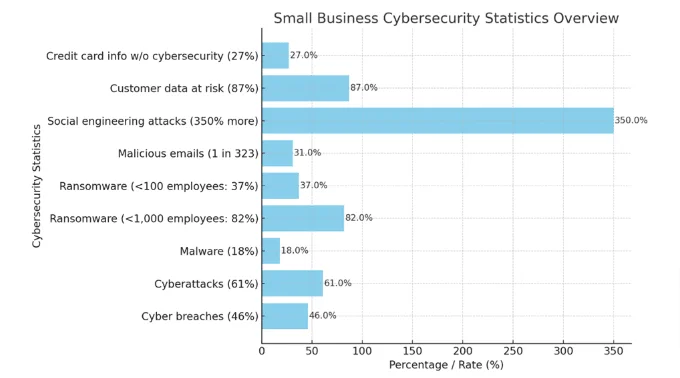
The bar chart below highlights the percentages and rates of the most common cyber threats affecting small businesses from 2021 to 2025, indicating the vulnerabilities of small businesses.
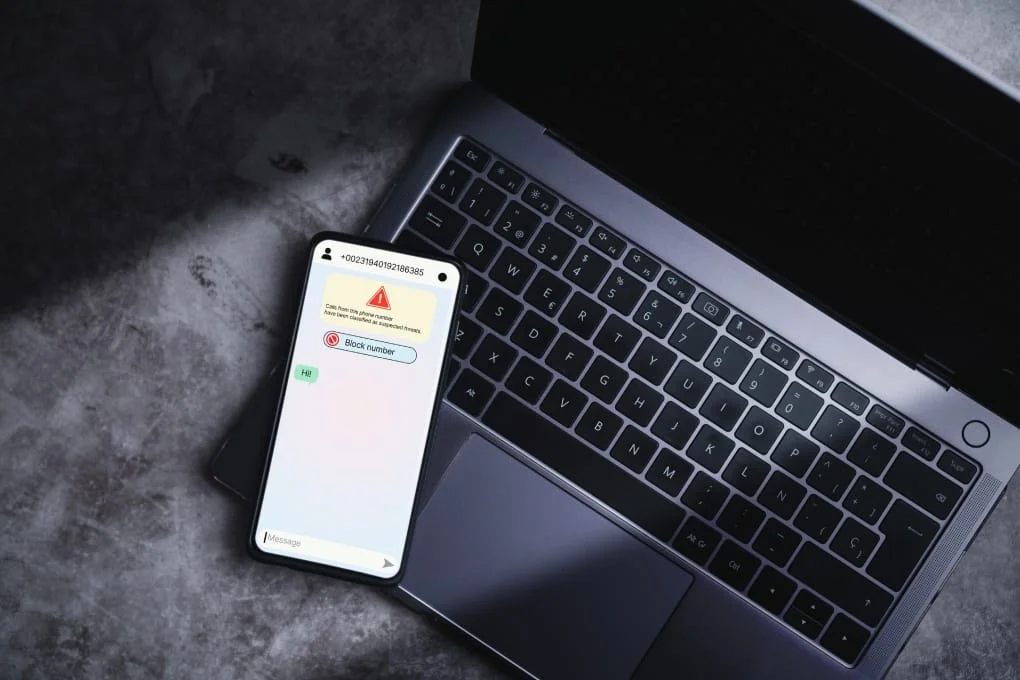
Small businesses face various cyber security threats:
- Social engineering: This is the most prevalent attack, in which exploitation is used to deceive users into making security mistakes and relinquishing sensitive information.
- Phishing: Phishing attacks use deceptive emails or websites to trick employees into revealing sensitive information.
- Ransomware: Ransomware, on the other hand, encrypts a company's data and demands payment to release it.
- Malware: Malware, including viruses and spyware, can compromise systems and steal valuable data.
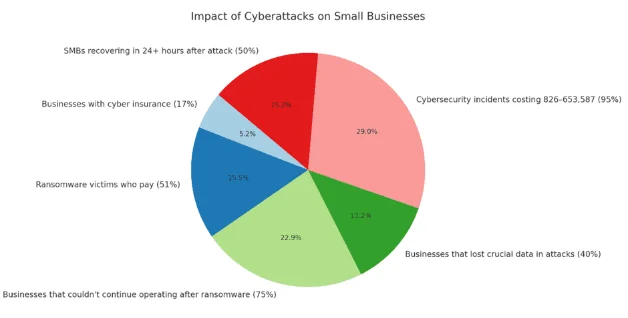
The impact of these threats on small businesses can be devastating. On average, cyberattacks cost small businesses between $84,000 and $148,000. These statistics underscore the critical need for small businesses to take cybersecurity seriously and implement robust protective measures.
Effective Cybersecurity Solutions for Small Businesses
- 1. Protect digital assets: With the increasing threat landscape, small businesses must implement robust cybersecurity measures to protect their digital assets. Essential solutions include firewalls, antivirus software, and encryption technologies. These tools form the first defense against cyber threats, creating a protective barrier around your business's digital infrastructure.
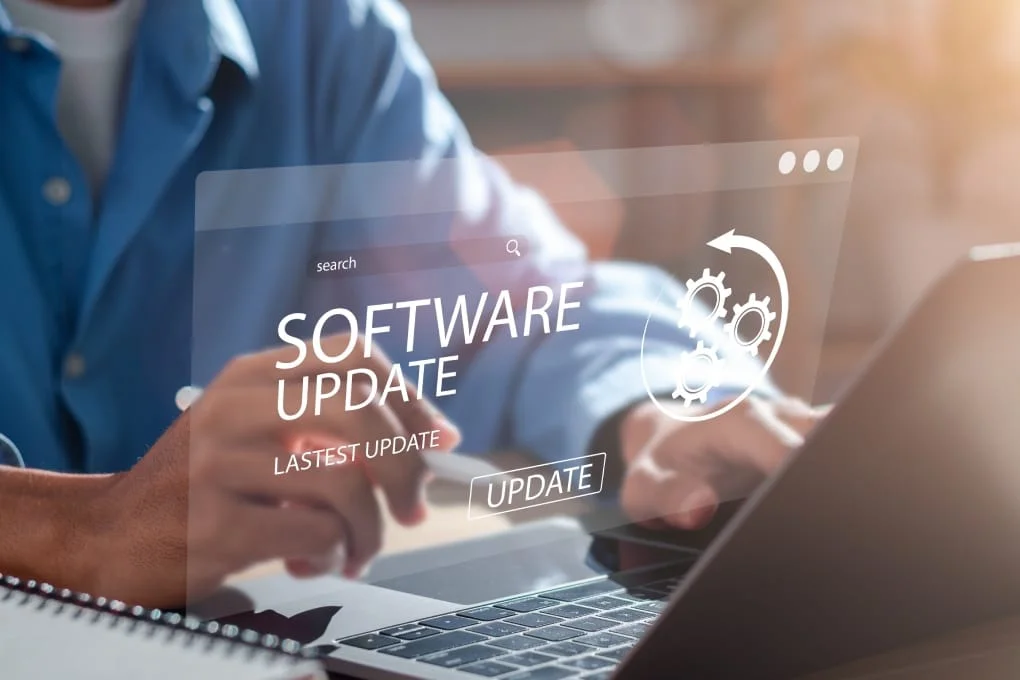
- 2. Software updates: Regular software updates and data backups are essential to keep up with vulnerabilities and periodically patch and refresh systems. These require serious budgets and efforts, and SMBs can't afford them or do not have the expertise. Despite the challenges, staying current with updates is crucial for closing security loopholes, while regular backups ensure business continuity in case of a breach.
- 3. Layers of Security: Implementing multi-factor authentication (MFA) adds an extra layer of security. MFA requires users to provide two or more verification factors to gain access to a resource, significantly reducing the risk of unauthorized access even if passwords are compromised. According to Microsoft, MFA can block over 99.9% of account compromise attacks, making it a powerful tool in a small business's cybersecurity arsenal.
- 4. Training: Technology alone is not enough. Employee training plays a crucial role in mitigating cyber risks. The responsibility is to defend cyberspace by shifting the burden for cybersecurity away from individuals, small businesses, and local governments and onto the most capable and best-positioned organizations to reduce risks and provide training for all. Regular training sessions can help employees recognize phishing attempts, understand the importance of strong passwords, and follow best practices for data protection.
How to Choose a Cybersecurity Provider for Your Small Business

Selecting the right cybersecurity provider becomes crucial for small businesses. This decision can significantly impact your company's ability to protect itself against potential attacks and maintain business continuity.
- Experience and comprehensiveness: When evaluating potential cybersecurity providers, consider their experience and the comprehensiveness of their services. Look for providers who offer a range of solutions, including network security, data protection, and employee training. Your best defense is an informed staff. Prioritize providers who emphasize employee education as part of their service.
- Tailored cybersecurity strategies: It's essential to seek a provider that offers tailored cybersecurity strategies. Every small business has unique needs and vulnerabilities, and a one-size-fits-all approach may leave critical gaps in your security. Look for providers who take the time to understand your specific business operations, industry regulations, and risk profile before proposing solutions.
- Specialized knowledge: Outsourcing cybersecurity to experts can benefit small businesses significantly. It provides access to specialized expertise and advanced tools that might be prohibitively expensive to develop in-house. It lets you focus on your core business activities while protecting your digital assets with professionals who stay current with the latest threats and countermeasures.
- Reviews and experience: When assessing a provider's credibility and experience, don't be swayed by flashy marketing or technical jargon. Instead, look for independent tests and reviews of their products and services. Reputable providers should be transparent about their capabilities and willing to share case studies or client testimonials.
- Advisory insurance service: Consider providers who offer cybersecurity insurance advisory services. This advice can be invaluable in helping you understand your risk exposure and ensure you have appropriate coverage against potential cyber incidents.
Remember, cybersecurity is an ongoing process, not a one-time fix. Choose a provider that offers continuous support, regular updates, and the ability to scale their services as your business grows. By carefully choosing a cybersecurity provider for your small business that aligns with your needs and values, you can significantly enhance your business's resilience against cyber threats.
Protect your small business from cyber threats with Spot On Tech's comprehensive cybersecurity solutions. Our services are designed to safeguard your digital assets with 24/7 monitoring, threat detection, and incident response. Don't wait until it's too late. Reach out to us today to secure your business and make sure you're safe with our tailored cybersecurity strategies to protect your business.